What Can Happen to a Vacant Home
A vacant home doesn't have fewer problems. It has fewer witnesses.
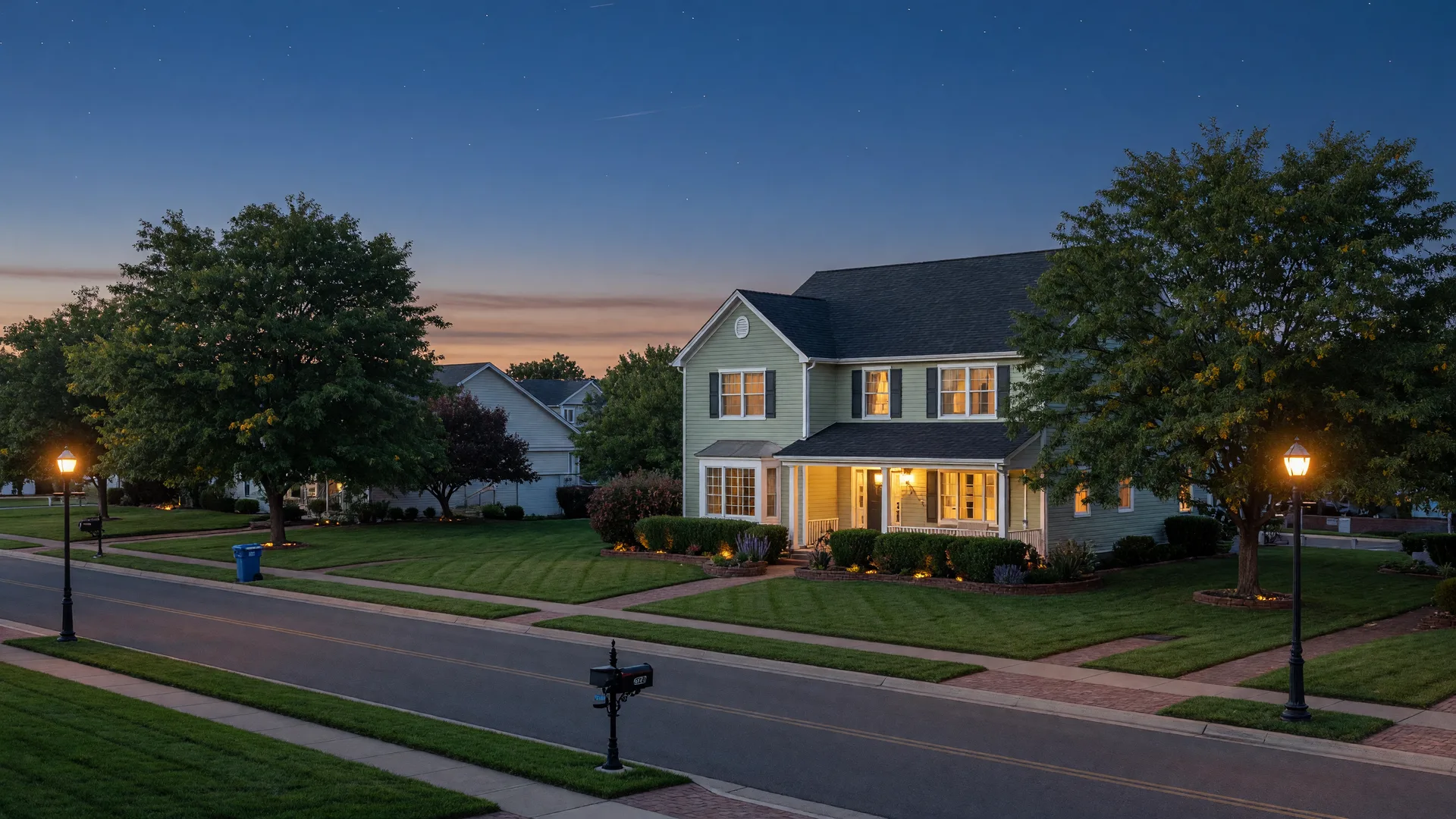
The hidden cost of leaving your home unattended
When you're home, you hear the dripping faucet. You smell the musty air. You notice the water stain on the ceiling. You see the package piling up on the porch. When you're away, for a week, a month, or an entire winter, small problems grow silently into expensive disasters.
Idaho Home Watch exists to be the witness when you can't be there. This page explains the real risks of leaving your Treasure Valley home vacant, what to watch for, and how professional monitoring prevents small issues from becoming catastrophic.
Water Damage, The #1 Threat to Vacant Homes
Water damage is the most common and most costly problem in vacant homes. A slow leak under a sink, a dripping refrigerator supply line, a failing water heater, or a burst pipe can dump hundreds of gallons of water into your home before anyone notices.
In a lived-in home, someone hears dripping, smells dampness, or finds a soft floorboard. In a vacant property, those clues hide until the next visit, by which point the damage may involve hidden moisture, mold growth, warping, corrosion, and structural damage.
Idaho's freeze-thaw cycles make this worse. When water freezes inside pipes, it expands by approximately 9%, creating pressure that can exceed 2,000 psi. A crack as small as 1/8 inch can release 250 gallons of water per day. Idaho's seasonal temperature fluctuations, especially the freezing and thawing cycles, damage plumbing, foundations, siding, and exterior materials.
What Greg checks:
- All plumbing fixtures, supply lines, and connections
- Water heater condition and surrounding area
- Refrigerator and ice maker supply lines
- Washing machine hoses
- Under-sink cabinets and bathroom areas
- Ceiling and wall stains (water intrusion indicators)
- Crawl space and basement moisture
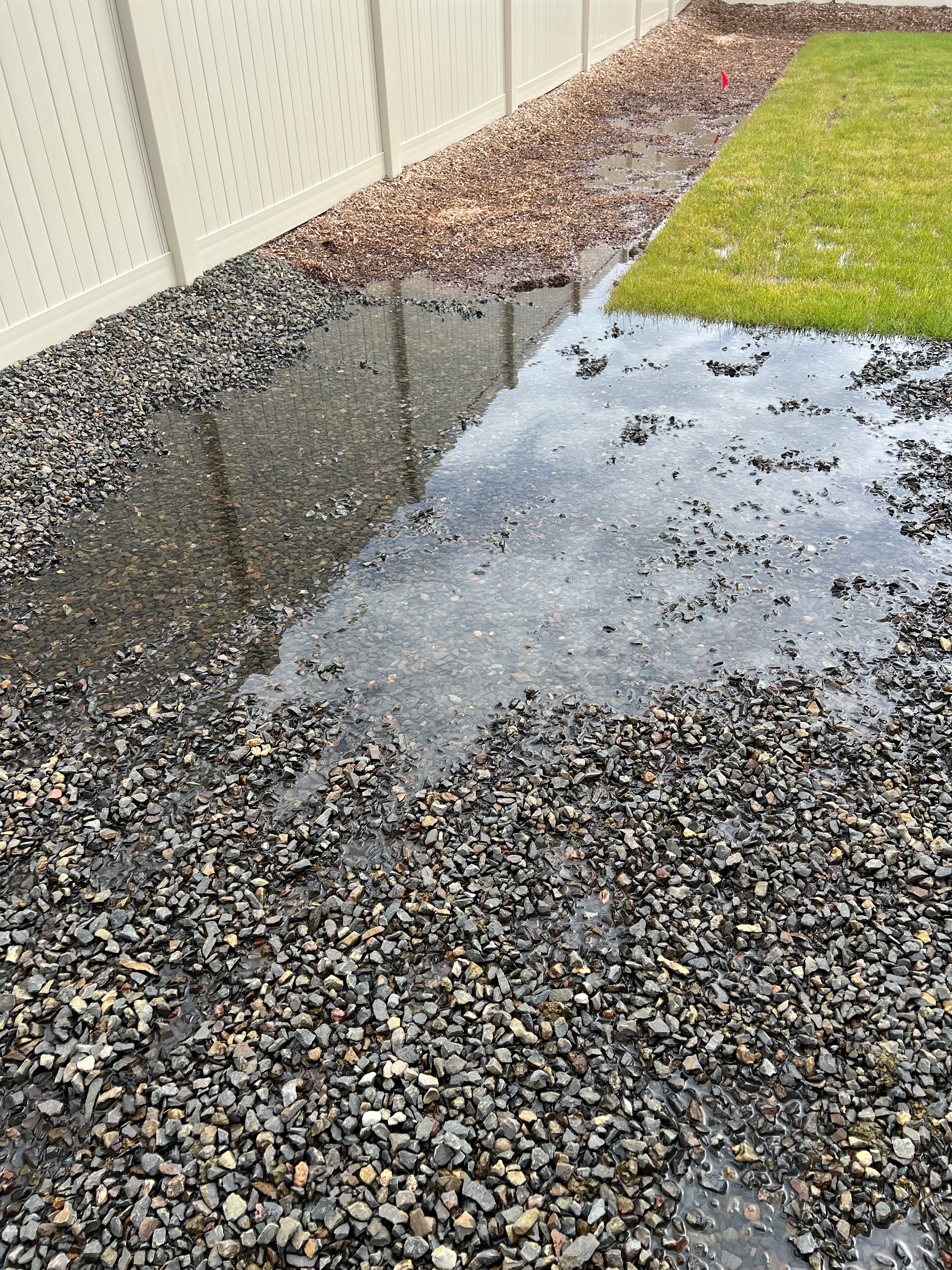
- Exterior drainage and foundation grading
Frozen Pipes & Winter Damage
Idaho winters are hard on vacant homes. When temperatures drop below 20 degrees Fahrenheit, the risk of frozen pipes rises dramatically. And when a pipe bursts in a home that nobody is checking, the water runs until someone discovers it, sometimes for days.
A burst pipe can dump hundreds of gallons of water into your home in minutes, leading to structural damage, mold growth, and costly repairs. In a vacant home, the damage compounds because nobody is there to shut off the water or call a plumber.
Other winter risks for vacant Treasure Valley homes:
- Ice dams in clogged gutters that seep into walls and ceilings
- Snow load on roofs causing structural stress
- Furnace failures that lead to frozen pipes
- Frozen hose bibs and exterior faucets
- Crawl space moisture from melting snow
- Wind damage to siding, fencing, and roofing
- Frozen sprinkler systems (if not properly blown out)
What Greg does in winter:
- Weekly checks during winter months (strongly recommended)
- Verifies thermostat is set to at least 55°F
- Checks all hose bibs are disconnected and insulated
- Monitors roof for snow load and ice dam formation
- Verifies furnace operation on every visit
- Checks for unusual moisture in crawl spaces and basements
- Available for emergency storm response
Weekly winter checks are the gold standard for vacant Treasure Valley homes.
Insurance & Vacancy Requirements
Most homeowners don't realize that their insurance policy may not cover damage to a vacant home.
Most standard homeowners insurance policies include a vacancy clause that limits or excludes coverage if the property is unoccupied for 30 to 60 consecutive days. After that threshold, if a pipe bursts, a burglar breaks in, or a fire starts, your claim may be denied.
Key facts about vacant home insurance:
- Most policies begin limiting coverage after 30 days of vacancy
- Some policies exclude all coverage after 60 days
- Vacant property insurance (a separate policy) may be required
- Some policies require regular documented inspections as a condition of coverage
- Seasonal homes face 40% higher burglary rates
- Professionally monitored alarm systems can reduce insurance costs by 15-20%
How home watch helps with insurance:
- Documented, photo-verified inspections create a record of due diligence
- Regular visit reports can be shared with your insurance company
- Many insurers require or recommend inspections every 7-14 days for unoccupied homes
- Greg's reports serve as proof that your property was being actively monitored
Burglary, Vandalism & Security
A vacant home is an easy target. Vacant homes are significantly more likely to be burglarized than occupied homes, and seasonal homes face elevated burglary rates. Forced entry is common in seasonal home burglaries.
Signs that attract burglars to a vacant home:
- Mail and packages piling up
- Newspapers and flyers on the porch
- Trash bins left at the curb
- No lights on at night
- Overgrown lawn and landscaping
- No footprints in snow during winter
- Vehicles always gone
What Greg does to deter crime:
- Collects mail, packages, flyers, and newspapers on every visit
- Moves trash bins to curb and back on service days
- Varies visit times so the property doesn't have a predictable pattern
- Checks all doors, windows, and entry points for tampering
- Verifies security system is armed and functioning
- Reports any signs of attempted entry immediately
- Can adjust lights and blinds to maintain a "lived-in" appearance
Pest & Wildlife Intrusion
When a home sits empty, pests move in. In Idaho's high-desert climate, the threat shifts seasonally:
Seasonal pest threats:
- Fall/Winter: Rodents (mice, rats, voles) seek warm shelter as temperatures drop
- Spring: Insects become active, ants, spiders, wasps
- Summer: Wildlife activity increases, raccoons, skunks, ground squirrels
- Year-round: Spiders, silverfish, and other insects find quiet corners
What Greg looks for:
- Rodent droppings and nesting materials
- Entry points around foundation vents and crawl spaces
- Insect activity in kitchens, bathrooms, and basements
- Wildlife burrows near the foundation
- Pest-damaged materials (wiring, insulation, wood)
- Recommendations for pest control if activity is found
HVAC & Appliance Failures
When a home sits vacant, systems that normally run daily may fail silently:
What can fail while you're away:
- Furnace stops working in January, pipes freeze within hours
- Air conditioner fails in July, heat and humidity damage finishes and flooring
- Water heater leaks or fails, slow water damage
- Refrigerator/freezer stops, food spoilage, odor, and mess
- Sump pump fails during storms, basement flooding
- Power outage goes unnoticed, frozen food thaws, security system offline
What Greg checks:
- Furnace operation and filter condition
- AC unit condition (seasonal)
- Water heater for leaks and proper temperature
- Refrigerator and freezer temperatures
- Breaker panel for tripped breakers
- Sump pump operation (if applicable)
- Thermostat settings appropriate for season
Storm & Weather Damage
The Treasure Valley experiences a range of weather events that can damage a vacant home:
Seasonal weather threats:
- Winter: Snow loads, ice dams, wind events, freezing temperatures
- Spring: Wind storms, heavy rain, rapid snowmelt, flooding
- Summer: Thunderstorms, hail, wildfire smoke
- Fall: Wind events, early freezes, debris accumulation
What Greg does after storms:
- Available for on-demand storm checks
- Documents damage with photos immediately
- Coordinates emergency repairs (tarping, boarding, water extraction)
- Reports to you and your insurance company as needed
Landscaping, HOA & Curb Appeal
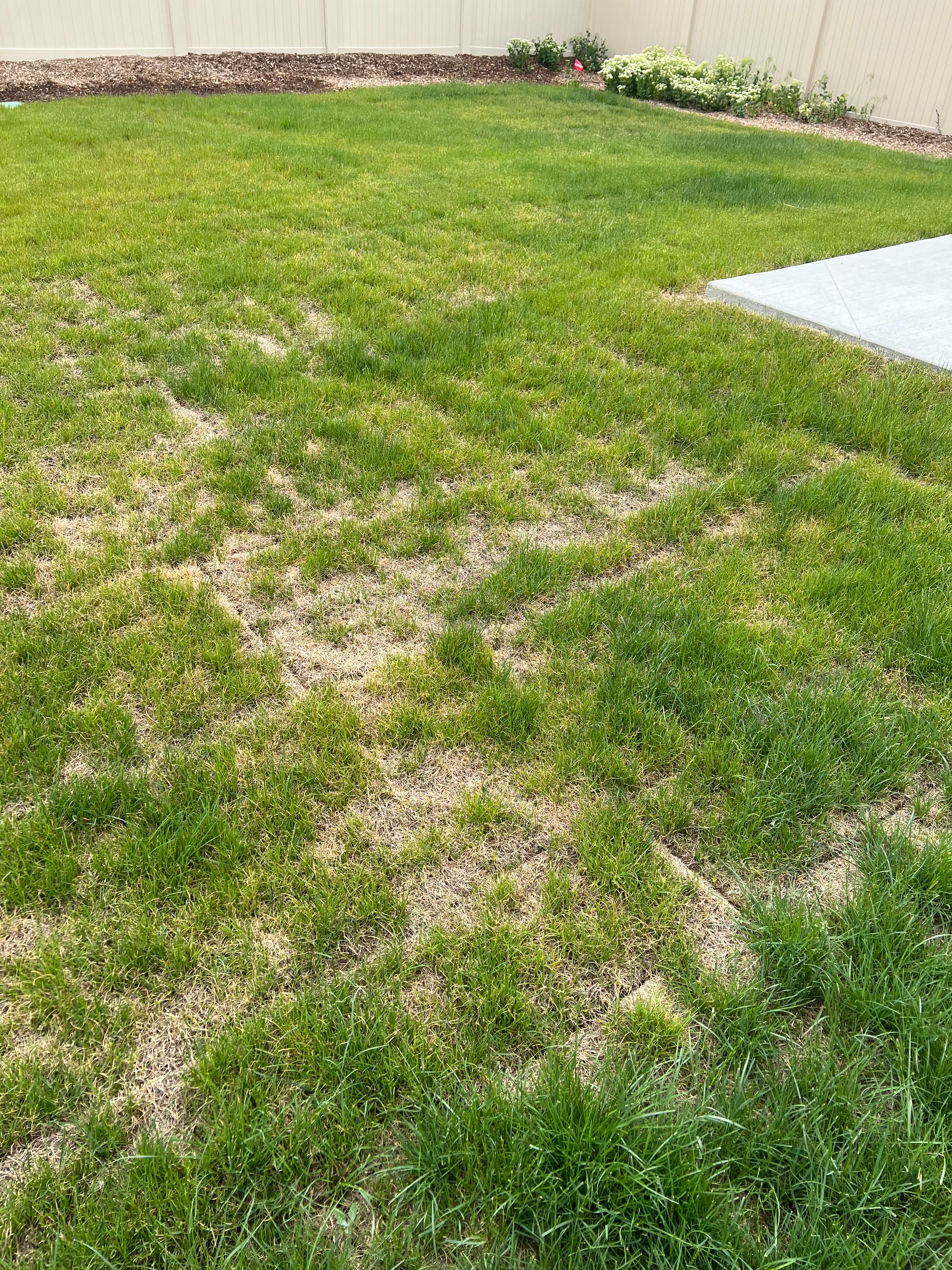
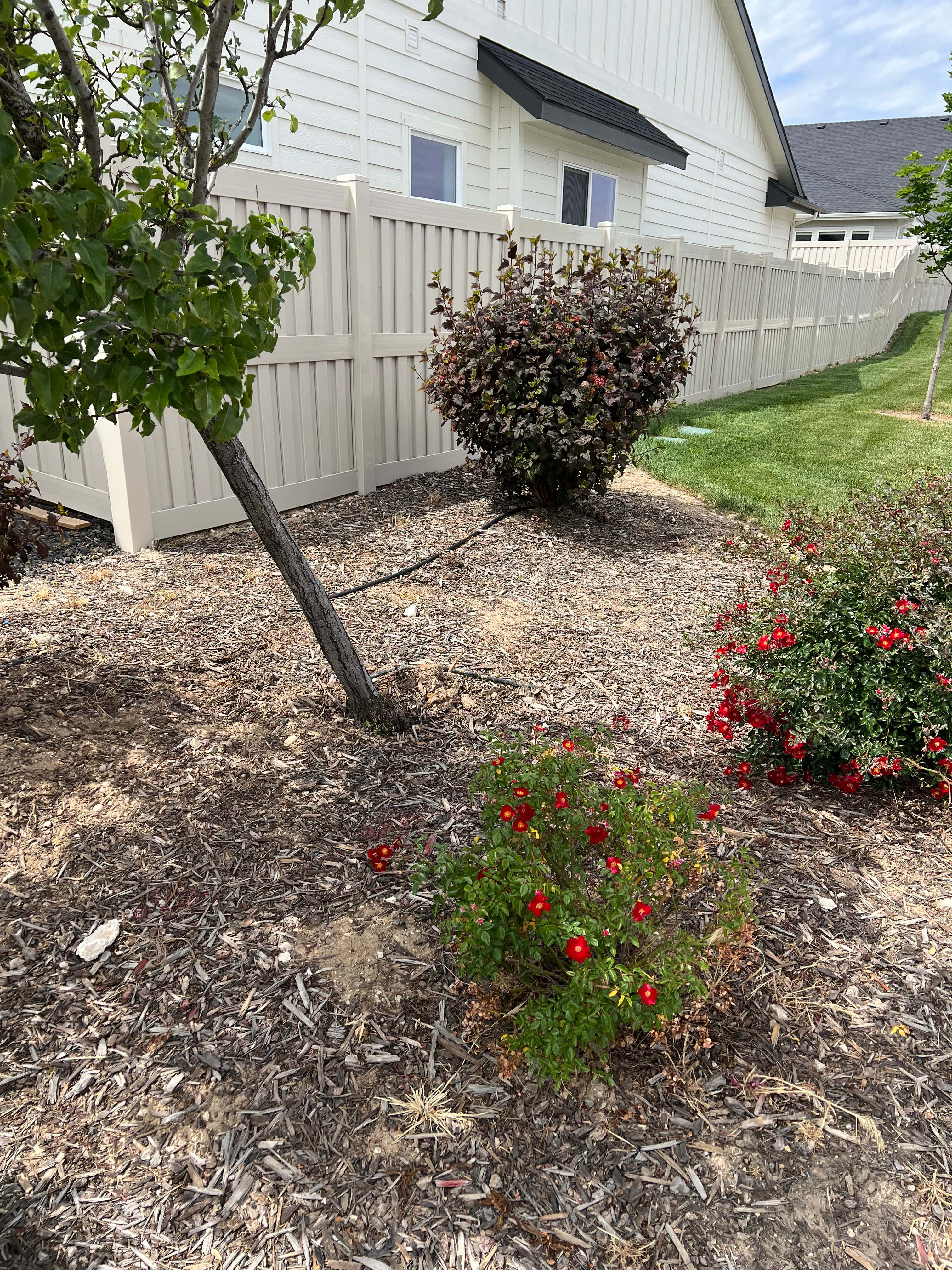
In Treasure Valley's rapidly growing communities, HOA standards are common. Overgrown lawns, weeds, and neglected landscaping can trigger fines and code enforcement, and signal to everyone that the home is vacant.
What Greg handles:
- Landscaping condition monitoring
- Irrigation system checks (startup and blowout)
- Weed and overgrowth reporting
- HOA compliance verification
- Coordination with landscaping services
- Snow removal verification (if applicable)
Don't let a small problem become a disaster
Every day your home sits vacant without a check is a day something could go wrong. A weekly or bi-weekly visit from a licensed Idaho real estate broker who knows what to look for is the difference between catching a problem early and discovering catastrophic damage weeks later.